Handball balls: match, training, leisure
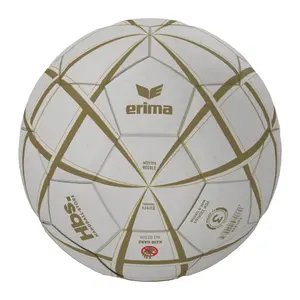


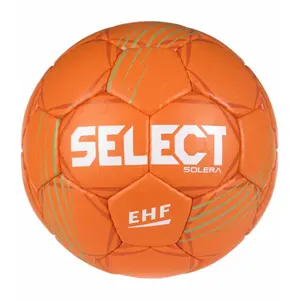


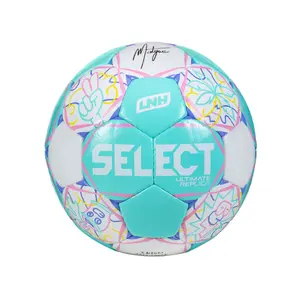


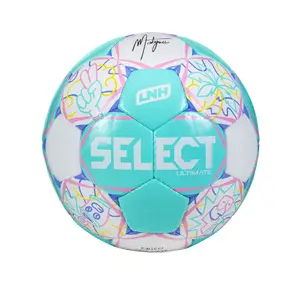


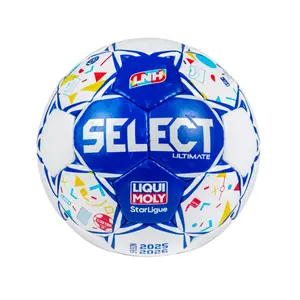


Match balls, training balls, non-resin balls, supporter versions and club packs: this page brings together all handball balls, from the small size of mini-hand to the senior ball.
Start with the size for your category, then choose the purpose: competition, training, leisure or play in a hall that prohibits resin. The rest is a matter of feel and colour.
Size 0, 1, 2 or 3: the IHF grid by category
The size of the ball depends on the player's age and gender. The regulations of the International Federation provide the following guidelines.
- Size 3: men from 16 years old.
- Size 2: women from 14 years and boys aged 12 to 16 years.
- Size 1: girls aged 8 to 14 and boys aged 8 to 12.
- Size 0: mini-hand for the youngest.
If in doubt, the coach knows the size used in their competition.
Match, training or leisure: each use has its ball
A competition ball has a finer and more elaborate cover: it sticks to the fingers and flies straight, but it wears out quickly if used every day. A training ball withstands shooting drills and repeated sessions. A leisure ball, which is more flexible, is suitable for family play and discovery. The page ball types sorts them by use.
With or without resin: check with the venue before buying
Many clubs play with resin, but many venues prohibit it to protect their floor. Balls designed for play without resin have a more gripping surface, and international regulations give them a slightly lower bounce and weight. Before equipping a team, check your gym's rules.
Balls, supporter versions, accessories: other entry points
- The ball lots combine the same model by three, five or ten, for a whole group.
- The supporter version balls feature the designs of the balls from the LNH, LFH, EHF and clubs.
- The page ball brands takes you straight to your favourite brand.
- The page ball accessories serves as a starting point to equip your bag around the ball.
- The best sellers show the balls chosen by other players.
- The new ball arrivals showcase the latest models added to the catalog.
Select, Erima, Kempa, Hummel, Molten: five signatures of handball
- Select provides the Ultimate for the EHF Champions League and offers the Ultimate family for the LNH and LFH.
- Erima covers training and matches with its Flash range, and play without resin with the Magic range.
- Kempa focuses on the Spectrum Synergy family and on the Leo, its training ball.
- Hummel offers its Classic, Star, and Energizer ranges, including sizes for toddlers.
- Molten provides the official IHF ball and produces the D60, designed for venues without resin.
- Tremblay CT caters to schools and beginners with foam balls and durable balls.
Making a ball last: inflation, cleaning, storage
Inflate to the pressure marked near the valve, using a moistened needle and a pressure gauge. After a session with resin, clean the cover with a product designed for balls, otherwise it hardens and loses grip. Store the balls in a closed bag, away from a radiator or an open car trunk in the sun.
Discount handball balls all year round
The current discounts can be found in the special ball offers. At the end of autumn, the Black Friday balls kicks off the promo season, followed by the Christmas special offers, then the ball sales. End-of-line products are available through the ball clearance.
Frequently Asked Questions
Stitched ball or glued ball, what's the difference?
A stitched ball, often handmade, maintains a regular shape and a soft touch; it's the construction of high-end match balls. A glued or thermal-bonded ball is more waterproof and often more resistant to intensive use. Some models combine both techniques.
Why does a new ball slip in the hands?
The cover of a new ball is still smooth. After a few sessions, it gets worn in and becomes more grippy, especially if you play with resin. A ball designed for play without resin grips right from the first passes.
How to tell if a ball is too worn?
A ball that loses its shape, with panels peeling off or that deflates from one session to another should be put in reserve. A smoothed or hardened cover from resin no longer holds in hand. Keep it for warm-ups or small games.
What ball for a child starting handball?
Before 8 years old, the child plays mini-hand with size 0, using a lightweight and soft ball that isn't intimidating to catch. Then, they move up to size 1. Ask their club about the size used in their category.
Can you play handball with a football?
For fun, yes, but it's not the right tool. A handball is designed to be held in one hand, with a size and cover intended for shooting and passing. To make progress, a proper handball in your size makes all the difference.