Handball protections for each position



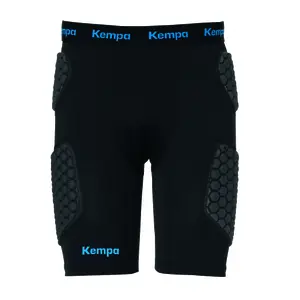


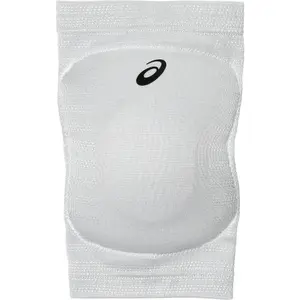


Keeper who dives on his line, pivot who takes the hits, winger who lands after a jump: each position puts different demands on the body, and your handball protective gear should first be chosen based on yours.
Knee pads, elbow pads, ankle supports, sleeves, compression gear, belts, mouthguards and cups: to protect, support or sustain, each item has its purpose.
Protective Gear and Regulations: What the Referee Accepts
The rules of handball prohibit any object that could be dangerous to oneself or to opponents. Knee pads must not contain any metal elements, and their plastic parts should be fully cushioned. An ankle brace must have metal and plastic covered, and elbow pads must be made solely of soft material. Masks and helmets are banned, even if they only cover part of the face, while soft headbands are allowed.
Goalkeeper, pivot, back, winger: the needs of each position
The goalkeeper spends the match on the ground: padded shorts, elbow pads, knee pads, and a protective cup form their basic kit. The pivot is in close contact, appreciating compression and a mouthguard. Backs alternate between support and jump shots, with the ankle and knee being first. Wingers often dive and land on their sides, hence the need for elbow pads and protective shorts.
Protect, Support, Compress: Three Functions
Protection absorbs shock, like a padded knee pad. Support limits movement, like an ankle brace with straps after a sprain. Compression tightens a muscle to aid effort and recovery, like a sleeve or shorts. Before buying, ask yourself which of the three you are looking for.
All Protectives, Joint by Joint
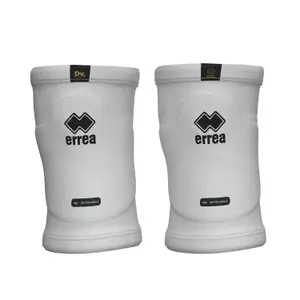
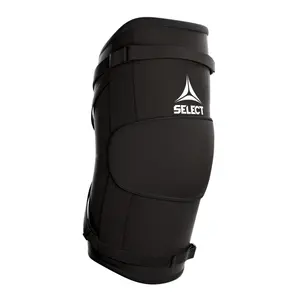
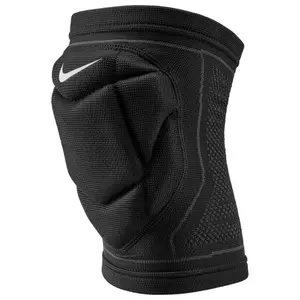
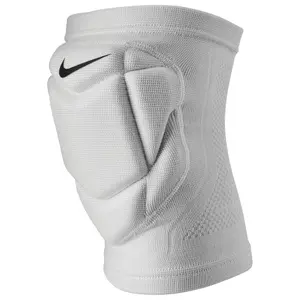
- Knee pads absorb falls and dives.
- Elbow pads protect the elbows of goalkeepers and wingers.
- Ankle braces limit twists on support.
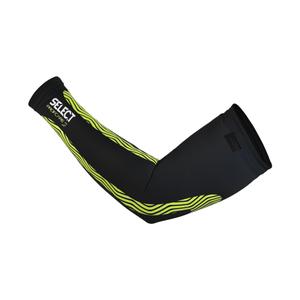
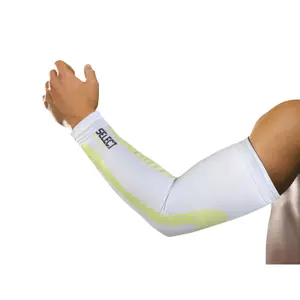
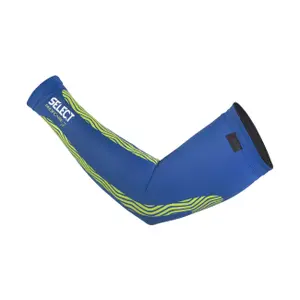
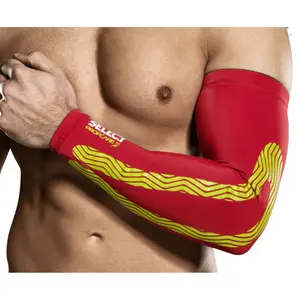
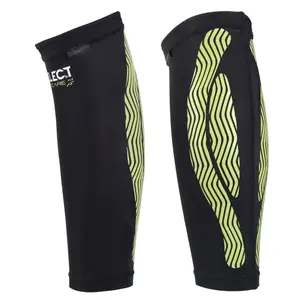
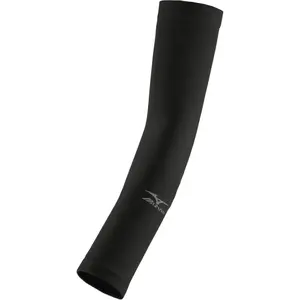
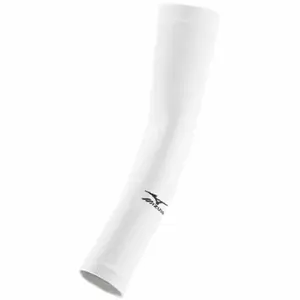
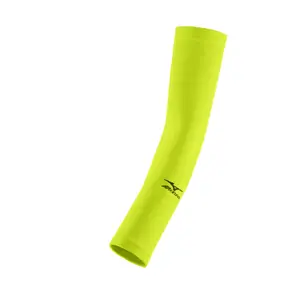
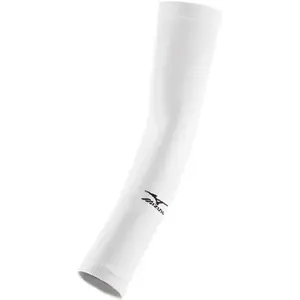
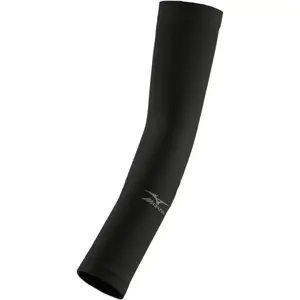
- Sleeves compress an arm or calf.
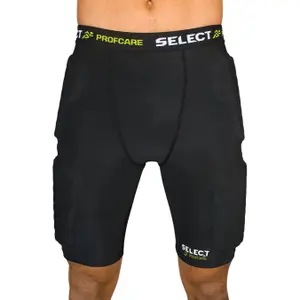
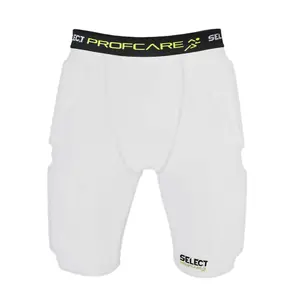
- Compression garments combine undershirts and shorts.
- Lifting and lumbar belts support the back during weightlifting.
- Mouthguards prevent broken teeth in duels.
- Protective cups guard the groin area, especially for goalkeepers.
- The protective textile includes thermal shorts and padded goalkeeper shirts.
- Shoulder pads Select support the shoulder.
- The wrist and finger protectors hold the joints of the hand.
Select, Hummel, Mizuno: brands that protect the player
- Select with its 6610 compression sleeves and 6421 protected shorts.
- Hummel with its compression shorts and leggings for players.
- Mizuno with its VS1 knee pads and elbow pads sold in pairs.
- McDavid with HEX technology in its knee pads and padded shorts.
- Errea with Tokyo knee pads, made from stretch cotton.
- Kempa with the under-shirt Attitude and its handball protectives.
Clearance, Black Friday, sales: the calendar of protections
End of lines are grouped on the clearance protections page. On Black Friday, the promotional protections page takes over, followed by the winter sales on the equipment sales page.
Frequently Asked Questions
What protection is needed for a beginner handball goalkeeper?
Start with a cup, knee pads, and padded shorts or trousers. Add elbow pads when they start to dive for low shots.
Do kids need protection when they start?
Not necessarily for a field player; a good pair of indoor shoes is more important. For a young goalkeeper, a cup suitable for their age is essential.
Can you play with a brace after an injury?
Only if it conforms to the regulations: no visible metal, cushioned or covered plastic. If in doubt, the team manager should present it to the referees before the match.
Should protective gear be worn on bare skin or over clothing?
Most should be worn directly on the skin to prevent slipping, like knee pads and sleeves. Padded shorts can be worn under the match shorts.
How long does a knee pad last?
It all depends on usage frequency and maintenance. Replace it when the foam flattens, when the elastic no longer holds, or when it slips during play.