Erima: referee whistles for clubs
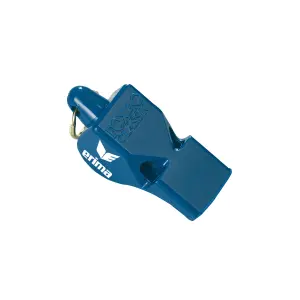
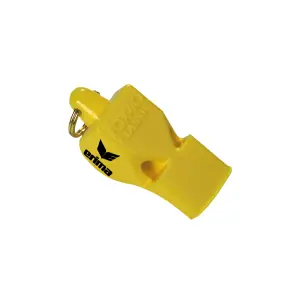
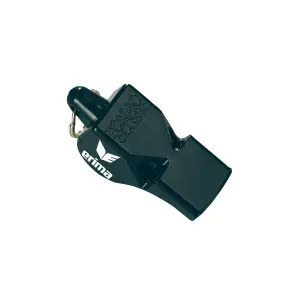
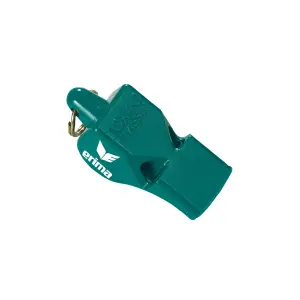
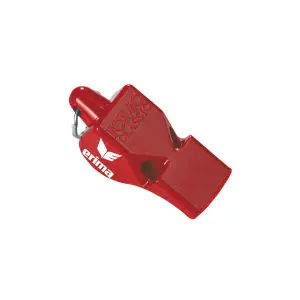
Born in Germany in the early twentieth century and always focused on team sports, Erima provides clubs with the simplest tool on the field: the referee's whistle, which the clubs' area offers with its cords.
The Classic Fox 40 whistle is available in several versions, and two cord lengths, short or long, allow you to wear it as you prefer.
The Classic Fox 40, a pea-less whistle
The Classic Fox 40 sold by Erima works without a pea. With nothing moving inside, it doesn’t get stuck when the hall is humid, and each whistle blow keeps the same sound throughout the match.
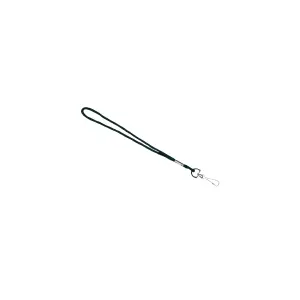
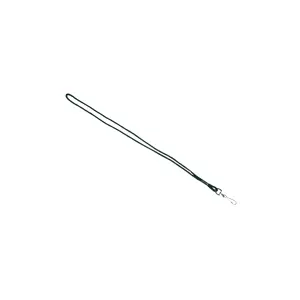
Short lanyard or long lanyard
Erima offers two lanyards for the whistle, one 25 cm long and the other 48 cm. The longer one goes around the neck, while the shorter keeps the whistle close to the hand without hanging on the chest. Make sure to have a spare lanyard in your bag: that's the piece most often forgotten.
For the referee, the coach, and the PE teacher
The whistle is used by the handball referee to control the game, but also by the coach who runs the drills and by the PE teacher managing a class in a noisy gym. A club should keep several, one for each team and a few for its young referees.
Erima, the German supplier for team sports
Based in Pfullingen, Erima is known by clubs for its team textiles and handball balls, like the Flash and Magic ranges. In the clubs' area, the brand focuses on refereeing, and the other brands for club equipment each have their own page.
- The page Tremblay CT brings together nets, markers, and balance boards.
- The page Kempa showcases the club equipment from the handball brand of the Uhlsport group.
- The page Select collects the club selection from the Danish brand.
- The page Hummel features the club equipment from the brand with chevrons.
- The page Nike completes the offer with the club selection from the brand.
Cheaper whistles and refereeing equipment
The club special offers gather the current discounts. For accessories on clearance, check out the accessories clearance, and at the end of autumn, the page Black Friday accessories.
Frequently asked questions
How to clean a referee's whistle?
Rinse it with warm soapy water after use, then let it air dry. A shared whistle should be disinfected before passing it to someone else.
Do you need a different whistle for handball?
No, a powerful pea-less referee whistle is suitable for all indoor team sports. What's important is a clear sound that carries to the back of the gym.
Why does the sound of a whistle change over time?
Dried saliva, dust, or a crack can alter the airflow. Regular cleaning is usually enough, and a cracked whistle should be replaced.
Can a young referee use this whistle?
Yes, the Classic Fox 40 has no special settings. A young referee uses it just like an adult; they just need to blow firmly.
Which lanyard should be chosen for officiating?
The long lanyard, around the neck, leaves both hands free for officiating gestures. The short one is better suited for the coach who keeps the whistle in hand during the session.