Handball shirts: match and training
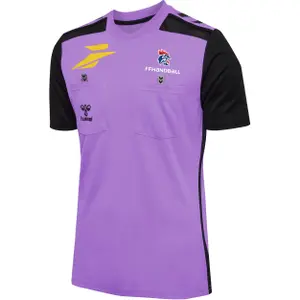

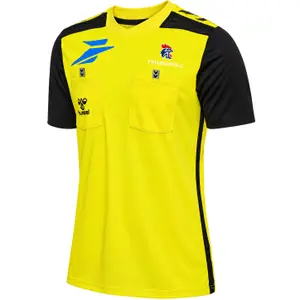


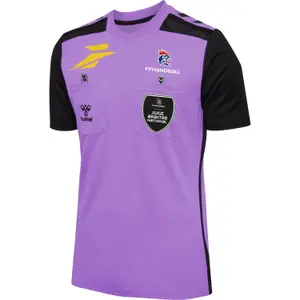




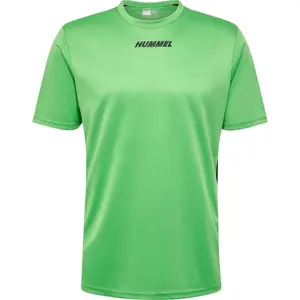

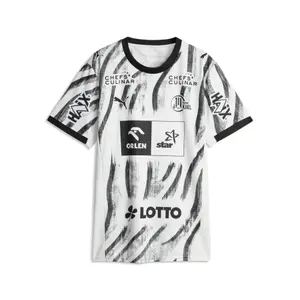

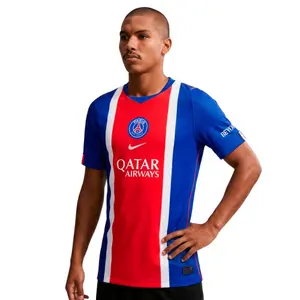


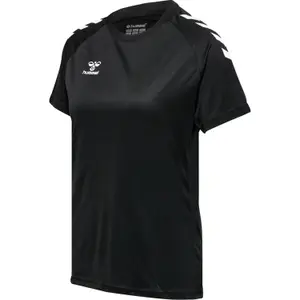


A number between 1 and 99, in a colour that stands out against the fabric, and an identical outfit for all the players from field: before it's a matter of style, handball shirts follow a game rule.
Team shirts, training kits, goalkeeper attire, referee uniforms and supporter versions of clubs and national teams are gathered here, in men's, women's or children's fits.
What the rules require of a shirt
The IHF rules require all field players of a team to wear identical kit, in colours clearly distinct from those of the opponent. Numbers range from 1 to 99 and must be easily readable against the main colour of the shirt. The goalkeeper wears a colour that distinguishes them from the field players of both teams and the opposing goalkeeper. For a club, this often means two sets of shirts for the field players in different colours, as well as separate goalkeeper shirts.
Lightweight polyester, breathable mesh: what makes a good match shirt
A handball shirt gets pulled, crumpled, and wet. Therefore, it must be lightweight, snag-resistant, and quick to dry. Polyester has become the go-to material for this. The best models add areas of more open mesh under the arms or on the back, where heat accumulates. Flat seams prevent chafing under the arms during shots. For a training shirt, a slightly thicker fabric holds up better to repeated washing.
Men’s cut, women’s cut, children's size
Men's shirts have a straight cut, women's shirts are more fitted and shorter, with narrower shoulders. Children's shirts follow the child's stature, in centimetres. Regardless of the cut, a playing shirt should fit close to the body: if it's too loose, it provides an easy grab for the opponent and can get caught in the shorts. So-called unisex shirts generally fit like a men's cut.
Blues, Blues and clubs: shirts in the supporter version
This page also features shirts from the French teams, branded adidas, in home, away, and third kit, for men, women, and children. You'll find the shirts of Brest Bretagne Handball, dressed by Craft, and those of PSG Handball, outfitted by Nike, as well as club shirts like Aix, Toulouse, Limoges, Chambéry, or Saint-Raphaël. On the foreign side, Flensburg, Magdeburg, and Kiel are represented. Referee shirts complete the selection for those officiating the match.
Hummel, adidas, Kempa, Joma, Erima, Puma: team shirts by brand
- Hummel: the Core 2.0 shirt, a staple for many club kits, is available in men's, women's, and children's cuts.
- adidas: beyond the Blues, the Adizero shirts and the Tiro range for training.
- Kempa: team shirts designed for handball, to be paired with shorts from the same range.
- Joma: the Spanish brand offers team shirts and referee shirts, in a wide choice of colours.
- Erima: club shirts and the Six Wings range, designed to equip all categories.
- Puma: the teamGOAL and teamLIGA shirts, understated and easy to adapt for a club.
Washing a printed shirt without damaging the number
The printing is the delicate part of the shirt. Always turn it inside out before washing, use a low temperature, and skip the tumble dryer, as its heat can lift the numbers and letters. Never iron directly on the print. For a supporter shirt that you want to keep for a long time, hand washing preserves the embroidered patches.
From shirts to tracksuits: related pages
- The bottom of the outfit comes from the handball shorts, often from the same range.
- The high socks match the colour of the shorts.
- Under the shirt, baselayers keep you warm and manage sweat.
- For sessions, t-shirts and polos help avoid wearing out the match shirt.
- After the match, one of the hoodies takes over.
- Jackets and tracksuits dress the team while travelling.
- The goalkeepers complete their outfit with padded trousers.
Cheaper shirts throughout the year
Supporter and training shirts frequently go on sale. The page special textile offers groups some of them year-round, while the page textile clearance features end-of-line items. The Black Friday textile and the textile sales are key times to watch.
Frequently asked questions
What's the difference between a supporter version and a player version?
The player version uses the fabric and cut of the shirt worn on the pitch, which is more fitted and technical. The supporter version retains the design and colours, with a more comfortable cut for everyday wear. The first is better suited for playing, while the second is sufficient for cheering.
Can the goalkeeper wear a short-sleeved shirt?
Yes, nothing prohibits it, as long as the colour distinguishes them from the field players. However, many goalkeepers prefer long sleeves, which protect their arms during saves and falls.
How can you tell if a shirt runs small?
Compare your chest measurement to the brand's size guide rather than your usual size. Cuts described as fitted or athletic fit closer to the body, while standard team cuts are straighter. A playing shirt should cover the waistband of the shorts without pulling at the shoulders.
How to choose a shirt for an entire team?
Choose a team model available in several colours, to have both sets of shirts required for competition. Check that it is available in women's cut and children's size if the club mixes categories. Keep the exact reference to complete the set later.
What colour shirt for a handball goalkeeper?
Your choice of colour, as long as it distinguishes them from the field players of both teams and the opposing goalkeeper. The club often provides several goalkeeper shirts. In training, there are no restrictions: any long or short-sleeved shirt will do.