Indoor handball shoes for juniors
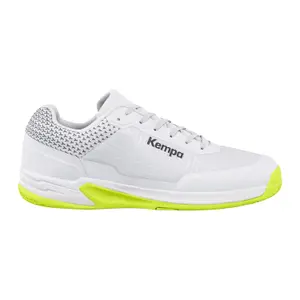


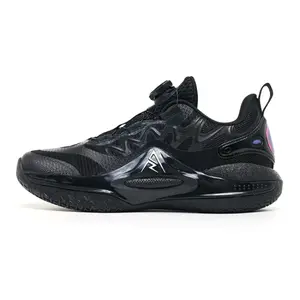
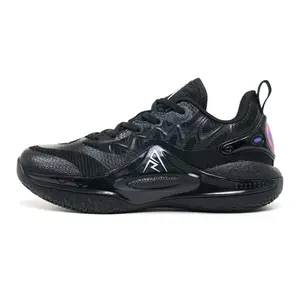


From baby-hand to under ten years old, handball is played indoors at all ages, and junior shoes cater to each stage: Velcro fastenings for the youngest, laces and proper support for the older kids playing in competitions.
Indoor handball for the court, from school handball models to club pairs: filter by age and handball sport to keep only handball.
Junior: Velcro or laces according to age
For the youngest, Velcro is king: the child can put on their shoes by themselves in the changing room and fasten them in one motion. By the age of seven, most children can tie their laces, and lacing becomes interesting because it fits the shoe better to the foot. Several models exist in both versions, indicated by VC for Velcro and LC for laces at Hummel. Velcro wears out over time: if it no longer holds well, the shoe won't keep the foot in place.
Child's foot: room to grow, without floating
A child's foot grows quickly, sometimes during the season. Measure both feet while the child is standing, and keep the longest one. Buying guides recommend leaving about a centimetre between the big toe and the end of the shoe. More than that, and the foot slips with every stop, which can tire and trip them up. Less than that, and the toes will hit the front with every run.
Baby-hand and first indoor sessions
Little ones in the handball school don't need a technical shoe, but a lightweight, flexible and non-marking pair that they can put on by themselves. A few baby-sized models follow this logic. Once the child plays in a club with matches on weekends, a proper indoor shoe, with a flat sole and good heel support, helps them take their footing.
Kourtfly, Topflight, Stabil: the brands for young players
- adidas: the Stabil comes in junior sizes, for a young player who wants the same shoe as the seniors in their club.
- Hummel: the Topflight Pro is available in a child version with laces (LC) or with Velcro (VC), and the Multiplay Flex, with Velcro and elastic laces, supports the early years of handball.
- Mizuno: the Stealth Star Jr, a lightweight indoor handball shoe, with a flat sole for stability and flex grooves at the front.
- Kempa: the Kourtfly child opens the page, in Kids Velcro versions then Jr slip-on, with the same sole by Michelin as the seniors' Kourtfly.
- Asics: the Gel-Powerbreak GS and Upcourt GS, two indoor shoes in children's sizes, marked GS for support.
- Nike: the Zoom Hyperset in junior version, lightweight, also worn by young handball players.
Sorting the junior page: indoor, sneakers and other pairs
Not all pairs on the page are made for playing handball. Sneakers, like the Spezial in children's sizes, are worn at school and in town. Tennis shoes have soles for outdoor courts. For the Wednesday session, tick the indoor shoe type and handball sport: only models made for the court remain.
From junior size to adult size
By adolescence, the foot reaches the first adult sizes, and junior models are no longer sufficient. Many adult indoor shoes start quite low in the range: a teen can then switch to the version of their favourite model without changing shoes. Women's sizes, which are smaller, are also an option for a young female player.
For parents who play too
If the whole family is at the club, the pages men's shoes and women's shoes showcase the same brands in adult sizes. The latest colours are gathered in the new shoe arrivals.
Equipping a child without breaking the bank
A foot that changes size every year, that's to be expected. The page junior sales brings together seasonal discounts, and the junior clearance has end-of-line items, perfect for a pair that will only be used for a year. At the end of autumn, the page Black Friday junior takes over, and the special shoe offers remain open the rest of the time.
Frequently asked questions
Can my child play handball in their playground trainers?
For a trial session, yes. Once they start playing in a club, an indoor shoe will help a lot: its sole grips the court without marking it, and it holds the foot better during direction changes than regular trainers.
How can I tell if their shoes have become too small?
Press with your thumb at the end of the shoe while the child is standing: if you no longer feel any space in front of the big toe, it's time to change. Redness on the toes after the session or a change in walking style are other signals.
Does a young handball player need a high collar?
Not necessarily: the low cut remains the norm in handball and allows free ankle movement for feints. A more enveloping collar can reassure a young player returning from a sprain, but warming up and strengthening are equally important.
Velcro or laces for a six-year-old?
Both are valid options. Velcro saves time in the changing room, while laces fit the shoe better. If the child can already tie their own laces, the lace will hold the foot better during direction changes.
Can they keep their handball shoes for sports at school?
Yes, as long as the class is indoors. Outside, the playground quickly wears down the rubber and brings gravel back onto the club's court: for outdoor sports, another pair would be more suitable.