Male physical training: bodybuilding and running












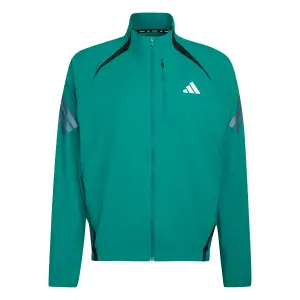


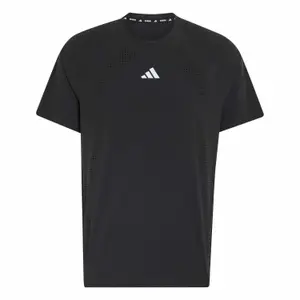


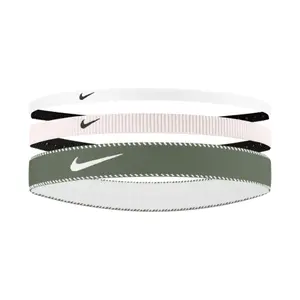
Back who wants to gain shooting power, pivot who has to hold the contacts or wing who thrives on sprints: every handball player has their physical training routine, and each position has its own programme.
Running shoes, training gear, dumbbells, bars, racks and mats: this page brings together the equipment to run, strengthen yourself and recover.
Full-back, pivot, winger: a physique for each position
The physical work varies depending on the role on the pitch. The full-back seeks relaxation and upper body strength for long-range shots. The pivot needs strength and stability to hold their ground in duels with their back to the goal. The winger relies on speed, explosiveness, and ankle mobility. The goalkeeper, on the other hand, focuses on flexibility and reactivity. The foundation remains common: endurance, strength training, and injury prevention.
Dumbbells, bars, racks: setting up a little gym
To train at home, a few adjustable dumbbells and a bench are enough to get started. A barbell and weights open the door to squats and deadlifts, provided you have a rack to work safely. Add a mat for stability work and stretching. More than the weight, it's the technique and consistency that lead to progress.
Running shoes and clothing for the off-season
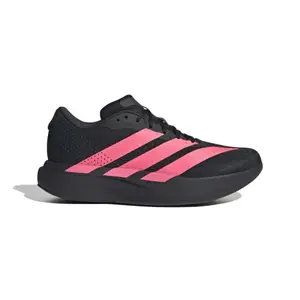
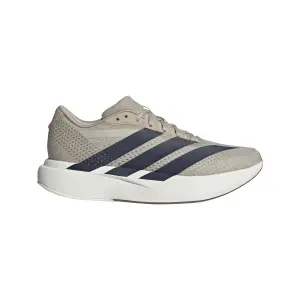
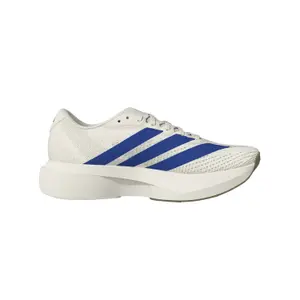
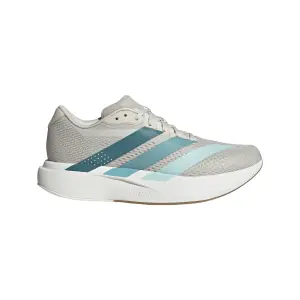
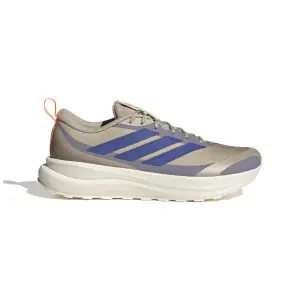
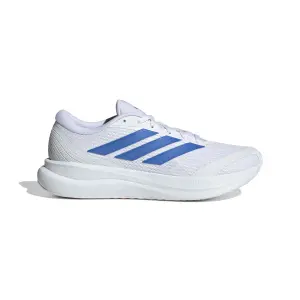
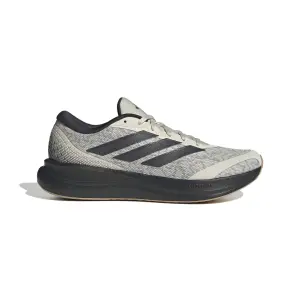
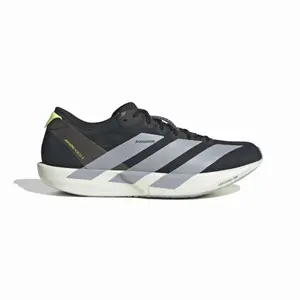
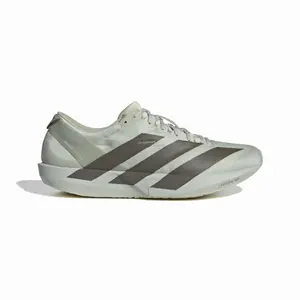
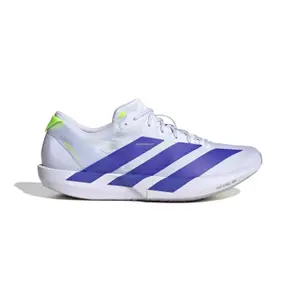
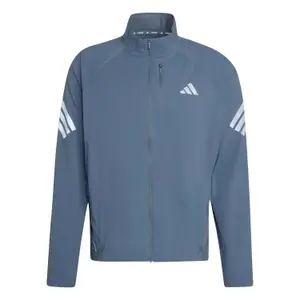
Running is still the basis for returning to fitness. The running shoes on the page, such as the Runfalcon from adidas, are suitable for easy runs and intervals. For clothing, T-shirts, shorts, and technical jackets dry quickly. A watch or fitness tracker helps monitor your pace and heart rate.
The brands' pages for men's physical training
Each brand has its own page. The page adidas men brings together running shoes and clothing. The page Mizuno men offers waterproof jackets, shorts, and shoes from the Japanese brand. The page Nike men gathers headbands, water bottles, and training accessories. The page Craft men outfits running. Some items are also available from Under Armour, Puma, and Peak.
Hummel, adidas, Mizuno, Sveltus: player preparation
- Hummel, a well-known brand in handball, outfits training sessions and offers training socks Pro.
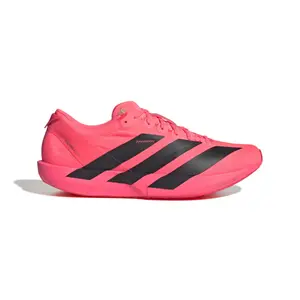
- adidas provides footwear for easy runs with the Runfalcon and quick sessions with the Adizero.
- Mizuno, textile partner of the LNH, supplies waterproof jackets and running shorts.
- Nike completes the range with its training accessories.
- Sveltus provides small strength training gear, dumbbells, and resistance bands.
- Lotuscrafts offers mats and yoga accessories for mobility.
Good deals for men's gym and running
To equip yourself at a lower cost, check the men's clearance page and the special offers for physical training. During major events, check out the Black Friday for men, followed by the men's sales.
Frequently asked questions
Weight training and handball: when should you schedule a session?
Avoid heavy sessions the day before a match. Instead, schedule it early in the week, after a day of recovery. During the season, short and regular sessions are preferable to one big session that leads to soreness.
Should I gain muscle to shoot better?
The power of a shot mainly comes from the legs, core, and shoulder chain, along with technique. Strength training helps, but too much mass can hinder speed. Work on explosiveness and shoulder mobility at the same time.
What weight dumbbells should I start with?
Choose a weight that allows you to perform about ten clean repetitions, keeping two or three repetitions in reserve. Adjustable dumbbells prevent the need to buy new ones with every increase in strength.
How can handball players avoid shoulder pain?
Strengthen the rotators with a resistance band, work on back mobility, and don't skip warming up before shooting. Persisting pain should be checked by a healthcare professional.
Is a fitness watch useful for training?
It allows you to track your heart rate, pace, and recovery. It's a good tool for measuring the intensity of interval training. It's not essential to start, a stopwatch will do.