Men's and Women's Running Socks


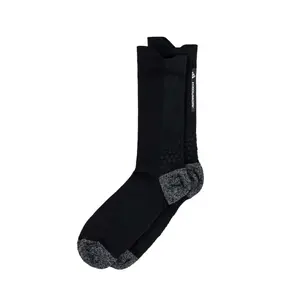


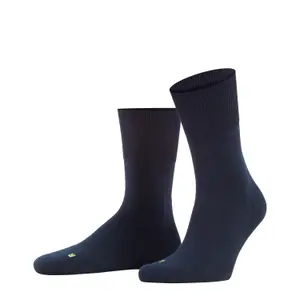
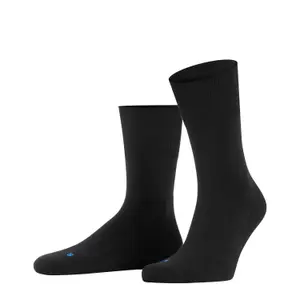
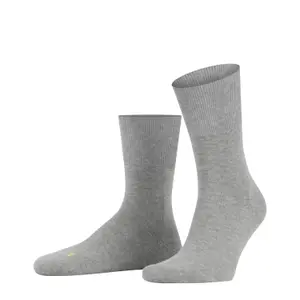
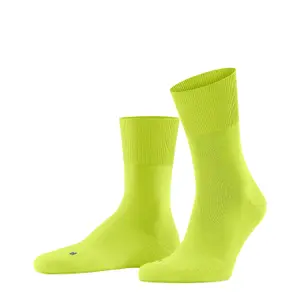
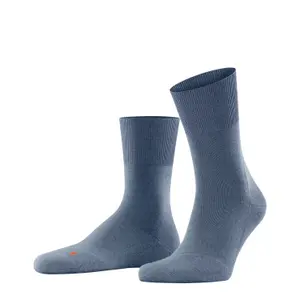
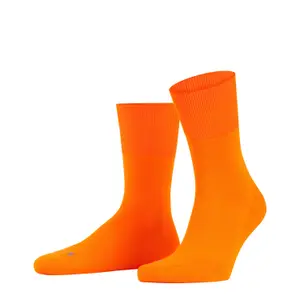
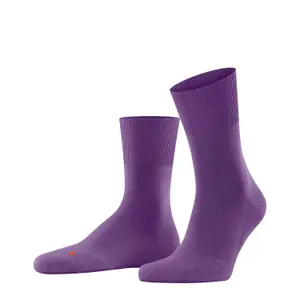
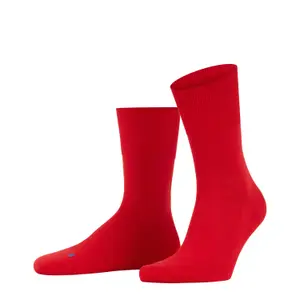
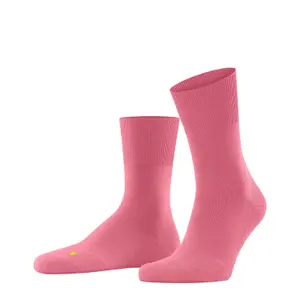
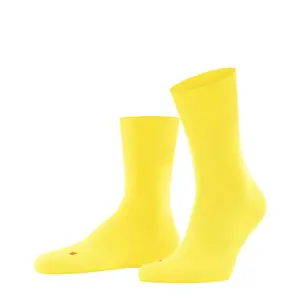
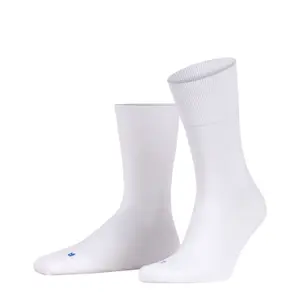
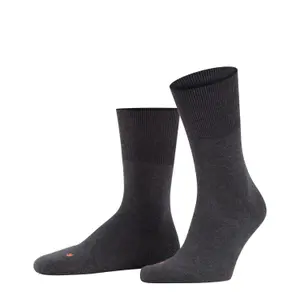
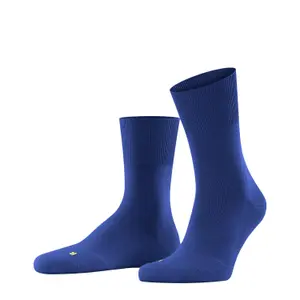
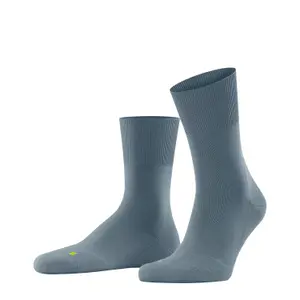
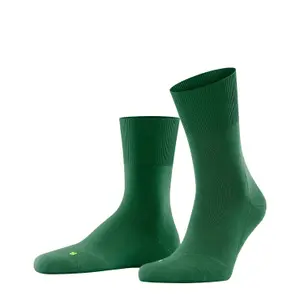
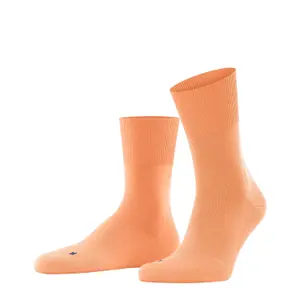
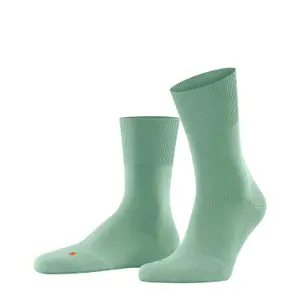


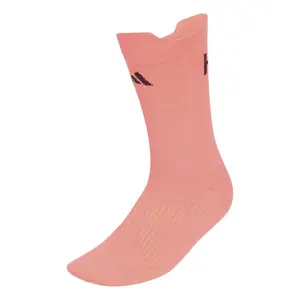
Before changing your shoes because of a recurring blister, try different running socks: a technical pair, without cotton and in the right size, often solves the problem.
Low, mid-high, compression, sold individually or in packs: choose according to distance, season and your sensitivity to chafing.
Why avoid cotton in running
Cotton absorbs sweat and keeps it against the skin. The sock gets heavier, slides, and rubs, leading to blisters. Synthetic fibres like polyester or polyamide wick moisture away and dry quickly. Some models also include fine wool, which remains comfortable when it's cold.
Low, mid-high or high: which height to choose
The low sock is the coolest, for summer outings. The mid-high protects the ankle from shoe friction and splashes on trails. The high sock, often compression, supports the calf during long runs and recovery. Your choice also depends on the height of your shoe's shaft.
Compression socks: what are they for
Compression socks apply pressure to the calf. Many runners wear them for long outings or after exercise, for a feeling of light legs. They are chosen based on calf circumference and shoe size, not just shoe size: measure yourself before ordering.
adidas, BV Sport, Falke: running sock brands
- adidas offers Light, Comfy, and Message Crew socks for running and training.
- BV Sport makes technical socks for running.
- Falke, the German brand, is the most featured on the page.
- Bauerfeind adds its running socks.
- Macron offers its Interval and Endurance socks in bundles.
Shoes, clothing, watches: the rest of running gear
To complete your outfit, the running shoes page brings together models for jogging and interval training. The running clothing features jerseys, shorts, and jackets. The running accessories, belts, water bottles, and watches complete the gear.
Affordable running socks
Buying packs of several pairs is already a way to save. Also check the accessories clearance page and the special offers on fitness care. During sales, the textile sales take over.
Frequently asked questions
Should you get your running socks in your exact size?
Yes. If they're too big, the sock creates folds that rub; if too small, it compresses the toes. If you are between two sizes, check the product sheet guide, as some brands recommend the smaller size.
Do running socks also work for handball?
They can be used for training. In matches, the colour and length must be the same for the whole team, which often requires club socks.
How to wash technical socks?
Wash inside out, at a low temperature, without fabric softener. Avoid the dryer, as it wears out elasticity. They dry quickly in the open air.
Do double-layer socks prevent blisters?
Both layers slide against each other and reduce friction against the skin. It's a solution that many runners adopt for long distances.
How many pairs should you have to run several times a week?
At least three or four pairs, to always have one clean and dry. Packs are convenient for this rotation.