Handball resin and cleaner



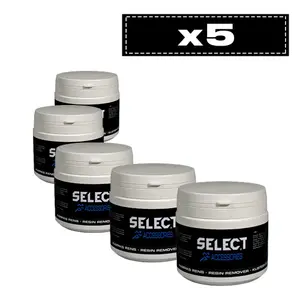
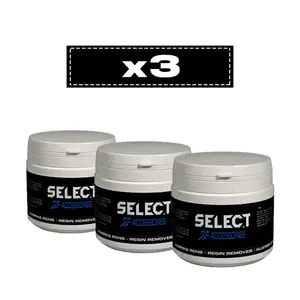
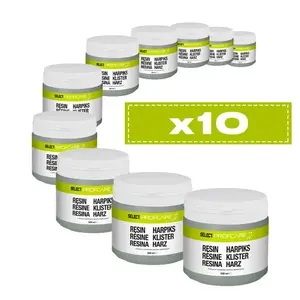
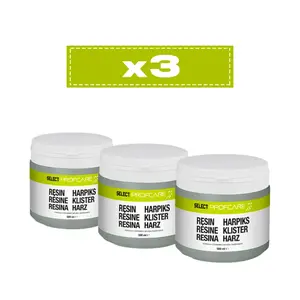


Pot, spray or gel, which resin and cleaner should you choose for playing handball? It all depends on what your venue allows and how you want to apply the glue, then clean your hands and the ball.
Classic or soap-washable resins, sprays, gels, ball cleaners and hand creams.
Pot resin, the club format
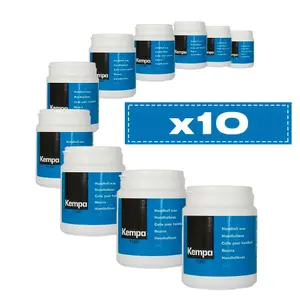
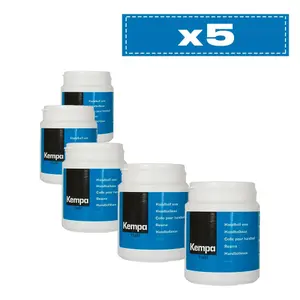
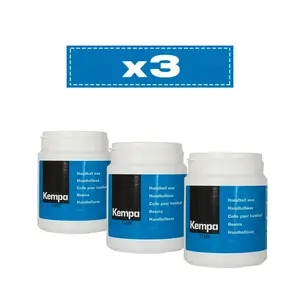
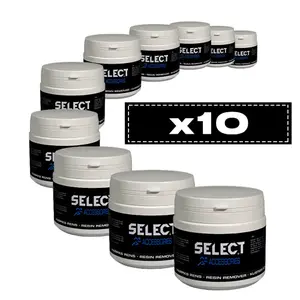
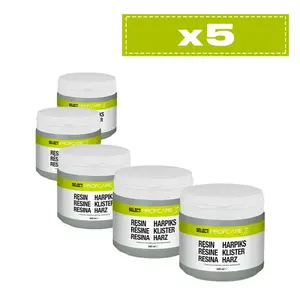
The pot remains the most common format. Kempa offers its resin in two sizes, made from resin and vegetable oil. The white Profcare resin from Select, hypoallergenic, is easily cleaned with soap and is used in small amounts thanks to its strong adhesion, according to the brand. Hummel focuses on a natural resin, a mix of resin and vegetable oils, which is removed with its solvent, and Tremblay CT offers a white paste resin that is applied to the fingertips.
Spray and gel: dosing more cleanly
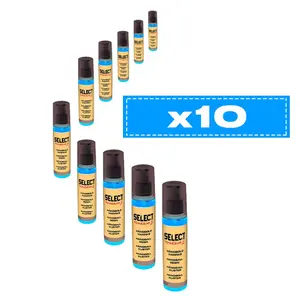
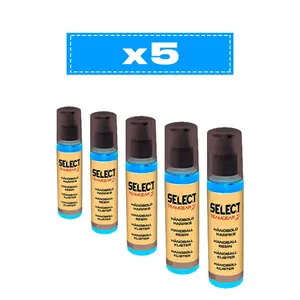
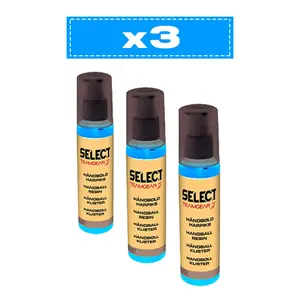
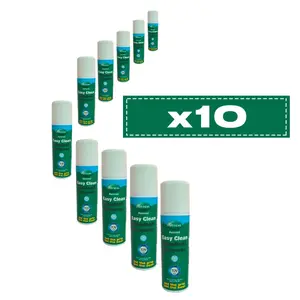
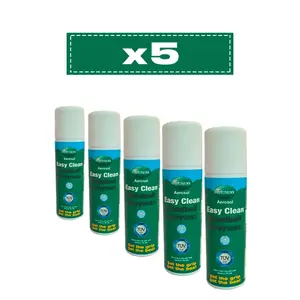
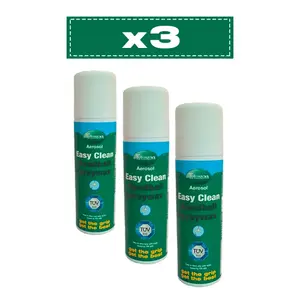
The spray resin from Select releases the desired amount on a precise surface, and is easier to carry than an open pot. Erima offers a spray resin with its Trimona Easy Clean, which boasts a strong adhesive power and easy cleaning. The gel from Hummel is massaged into small quantities on the hands and fingers.
Cleaning the ball and hands
The resin accumulates on the ball, leaving black marks on the floor. The ball cleaner from Select is a gel: coat the ball, let it sit for two to five hours depending on the amount of resin, then rinse with hot water. For the hands, Select offers a cleaner and a cleaning cream, and Tremblay CT has a cleaner that removes its Trimona resin.
What the regulations at your venue say
In France, the venue is often owned by the local authority, which can prohibit or restrict the use of resin by decree. Clubs must adhere to these decisions, and the federal regulations stipulate sporting penalties in case of non-compliance. Before buying, ask your club what is allowed: some venues impose conditions on the type of product.
Select, Kempa, Erima: the resins on the page
- Select: the white Profcare resin in various sizes, the spray resin, the ball cleaner, and the products for hands.
- Kempa: a pot resin for grip on the palm.
- Erima: the Trimona Easy Clean spray resin.
- Tremblay CT: the white Trimona paste resin and its hand cleaner.
- Hummel: the gel and pots of vegetable resin.
About resin
Sponge wristbands keep sweat away from the resin-coated palm, and a towel helps with cleaning after the match. The small equipment is gathered on the accessories page, and the pots at reduced prices can be found on the special offers on equipment.
Frequently asked questions
Does resin damage the ball?
No, handballs are designed for this, but excess resin makes the ball heavier and changes its feel. Clean it regularly with an appropriate product, never with a household solvent as it damages the coating.
How to remove resin from a shirt?
First scrape off the excess once it's dry, then treat the stain with a resin cleaner or a little vegetable oil before washing. A soap-washable resin, like the white Profcare, washes out much more easily in the machine.
Is resin allowed for young players?
This depends on the venue and the competition regulations. Check with your coach before buying some for a young player.
How to store a pot of resin?
Keep the lid tightly closed, and away from heat: in sunlight or near a radiator, the resin will liquefy and spill. In winter, a pot that is too cold will harden, warm it in your hands before use.
White resin or traditional resin?
The white Profcare resin from Select is hypoallergenic and cleans up with soap, which is liked by both players and venue managers. Traditional resin, which is darker, stains the floor and textiles more.