Women's handball shoes
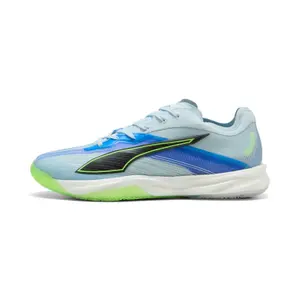
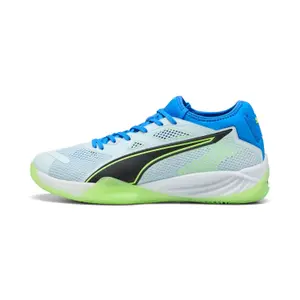
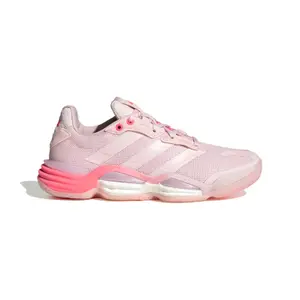
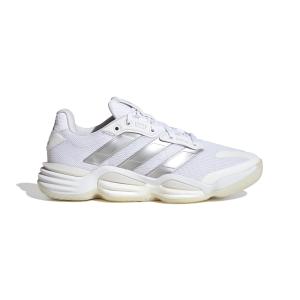
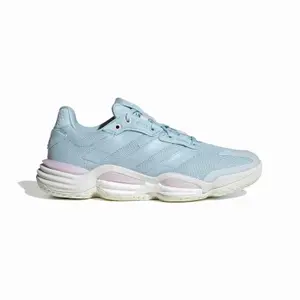
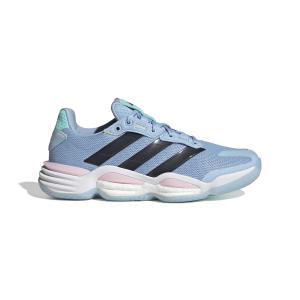
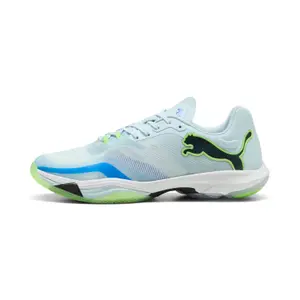


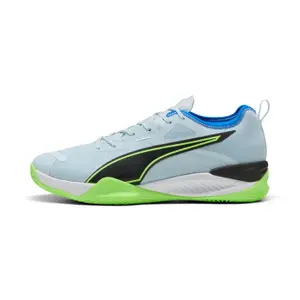

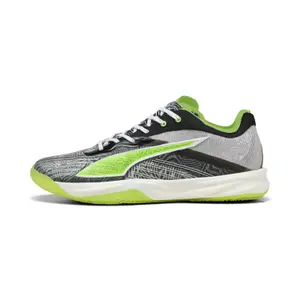
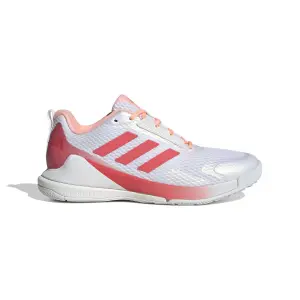

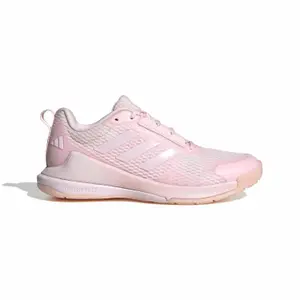
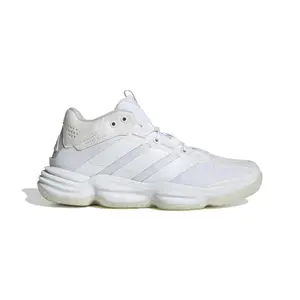
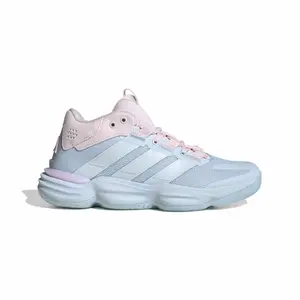
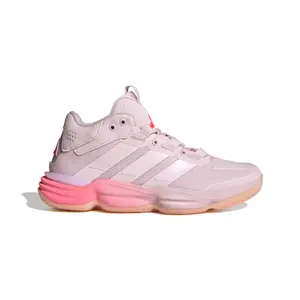


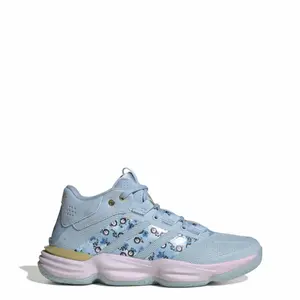
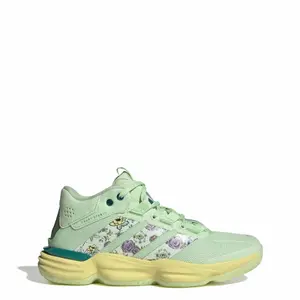
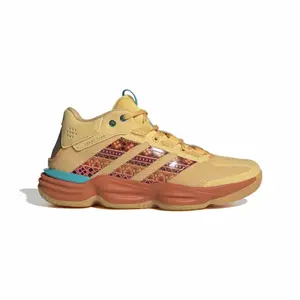


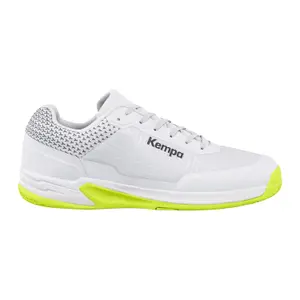
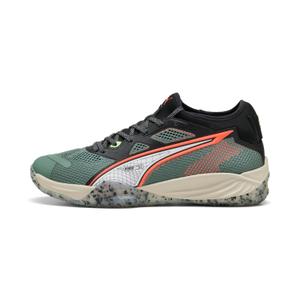


Back who lives for her overflow, defender who arms above the block or goalkeeper who covers her goal from one post to another: each player has her profile, and the choice of her women's shoes affects her footing in every session.
Indoor handball shoes from stability to speed, in women's cut or unisex sizes: start with your position, then refine according to the upper and the size.
Hand player: stability or speed first
Two families share the page. Stability shoes keep your foot in place, protect against impacts, and provide reassurance during duels: they are for goalkeepers, backs, and playmakers who take hits and constantly fall back from their jumping shots. Speed shoes, lighter and more flexible, are for wingers and anyone who plays with acceleration. Between the two, many versatile models suit players who change positions from match to match.
On the player side, the sports filter to keep only handball
Some pairs on the page have been designed for other indoor sports, and this is no small detail. A handball shoe focuses on lateral support and changes of direction. A shoe for another indoor sport often has a higher and slightly heavier upper, and tennis shoes have a sole designed for clay or outdoor courts: they have no place on a gym floor. Check the handball sport option before comparing colours.
Women’s version or unisex model: read the info page
Some shoes come in a women’s version, with its own size chart and colours. Others are unisex: a single model, available in sizes that cover all feet. There’s nothing stopping a player from wearing a unisex model, just start with the right size. When switching from one chart to another, rely on the foot length in centimetres given by the size guide rather than a shoe size you remember.
Brands that handball players wear
- adidas: the Stabil, its handball shoe, is available in a women’s version in many colours.
- Mizuno: the Wave Stealth, its handball shoe, and the Wave Momentum, which cushions landings from jumps, two models built around the Wave plate, the brand's signature.
- Hummel: mainly unisex indoor handball shoes, such as the Topflight Pro, designed for quick movements and tight turns, with a thermally bonded TPU upper and an Ortholite insole.
- Asics: the Sky Elite FF and the Gel-Rocket come in a women’s version, the first for jumping, the second as a versatile pair.
- Puma: the Eliminate Nitro SQD combines injected Nitro foam with a midfoot support for lateral movements.
- Nike: no handball shoes at Nike, but the Air Zoom Hyperace, lightweight and bouncy, is adopted by some handball players for its cushioning at the front of the foot.
Players and ankles: low cut or mid-top
Most handball players wear low-cut shoes, which are lighter and allow more freedom for feints. The mid-top version, often referred to as Mid or MT, provides more ankle coverage and reassures those recovering from a sprain. It doesn’t replace the muscle strengthening or strapping advised by a physio: it’s added comfort, not absolute protection.
Measuring a player’s foot before ordering
Place your foot flat on a piece of paper at the end of the day and with your match socks on, then measure from the heel to the tip of the longest toe. Do this for both feet, as they don’t always have the same length, and keep the larger measurement. An indoor shoe should hold the heel without squeezing it, with a little space in front of the toes for sudden stops.
Men, juniors, new arrivals: the neighbouring pages
To equip a teammate or compare size charts, the men's shoes page follows the same logic. Young players can find their sizes on the junior shoes page. The latest colours are grouped in the new arrivals shoes, and the fastest-selling models are in the best-sellers.
Pay less for your pair of shoes
During the sales, the women's sales page brings together discounts on all players' gear. The clearance items are in the women's clearance, and the special shoe offers are available all year round. At the time of Black Friday, also check the page Black Friday women.
Frequently Asked Questions
Can a player wear a men's handball shoe?
Yes, as long as you choose the right length. A narrow foot can slip in a model designed for a wider foot: make sure to tighten the upper lacing and check that the heel doesn’t lift when you go up on your toes.
What shoe for a handball goalkeeper?
A stable shoe, with good lateral grip and generous cushioning. The goalkeeper spends their time moving sideways and doing splits: a wide sole and a well-fitted upper help them spring back quickly.
When to change your handball shoes?
As soon as the cushioning no longer returns energy: harder landings after a shot, knee or shin pain, a smooth sole that slips during braking. For a player who trains several times a week, it’s often after one season.
How much space should be left in front of the toes?
About half a centimetre in front of the longest toe: the foot moves forward during sudden stops, and shoes that are too tight make the toes hit. Too much space, and the heel lifts with every step.
Should you take your regular shoe size for an indoor shoe?
It’s a starting point, not a rule. Depending on the brands, an indoor shoe may fit slightly small, and you’ll be wearing thicker socks: always compare your measurement in centimetres to the size guide on the product info page.