Balloon inflating: pumps and needles
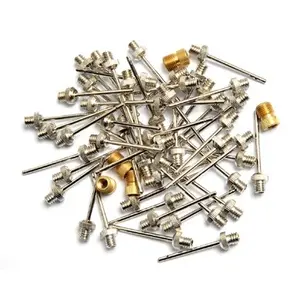
Before connecting the pump, check the pressure marked near the balloon valve: it’s the only value that matters for proper inflation, and the equipment on the page helps achieve it without damaging the valve.
Hand pumps, double action pumps or gauge pumps, compressors for club kits, needles and spare tips.
Single, double action or vertical pump
The classic hand pump inflates with a push. Double action pumps, like those from Avento or the double direction pump from Kempa, inflate on the push and pull: half the effort to get a ball back into shape. The vertical pump from Tremblay CT sits on the ground and has a pressure gauge to monitor inflation pressure.
The pressure gauge, to stop at the right moment
An overinflated ball is hard, bounces too much and can become deformed. An underinflated ball slips out of hands and bounces badly. Between the two, only the pressure indicated by the manufacturer matters, and the pressure gauge is the most reliable way to stick to it, especially when inflating a series of club balls.
Compressors: inflating the club's supply
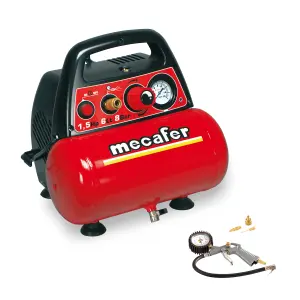
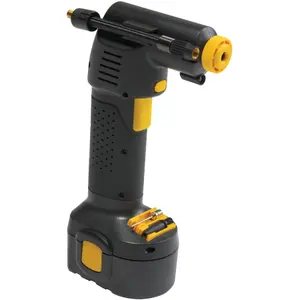
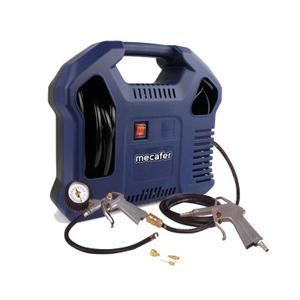
For a kit manager inflating all the balls in a category before each session, the compressor saves valuable time. The Erima compressor is a piston model designed to run for hours without overheating and to remain quiet. The page also offers portable compressors and a wireless multi-use model.
Needles and tips: the pieces that disappear
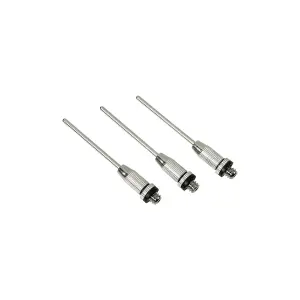
The needle is the piece that gets lost or bent. Keep a stock in advance: Macron sells its needles in sets, Sporti offers lots of needles and tips. Before pushing it in, wet the needle: it slides better into the valve and damages it less. The Hummel pump has a compartment to store the needle after use.
A pump for all balls
The pumps on the page work for handballs as well as those of other indoor sports: the needle fits in the same valves. Only the pressure varies from one sport and ball to another, which is why it's important to check the valve each time.
Hummel, Kempa, Erima: the brands of inflating
- Hummel: a pump with a flexible extending tube, with a needle that protects the valve and a compartment to store it.
- Kempa: the double direction pump from the German handball brand.
- Erima: ball pumps and piston compressors for clubs.
- Nike: the Essential and Hyperspeed pumps, in various colours.
- Avento: lightweight double action pumps that are easy to use, even by children.
- Macron: pumps and sets of needles from the Italian brand.
With inflating
A well-inflated ball stays clean: resin and cleaner go hand in hand. For the referee checking the ball before the match, the referee page gathers whistles and cards. The rest of the small equipment can be found on the accessories page, and discounts on clearance accessories.
Frequently asked questions
What pressure for a handball?
That indicated by the manufacturer near the valve, in bar or pounds per square inch. It varies depending on the brand and size of the ball: don't rely on a number read elsewhere, and never exceed the maximum value.
Why is my ball losing air?
A damaged valve from a dry or bent needle is a common cause. The cold of a gym in winter also lowers the pressure. If the ball loses air within a few days, the valve or bladder is likely affected.
Can a bike pump be used?
With a needle adapter, yes, but it sends a lot of air with each pump: the risk of overinflating is real. Go slowly and check with a pressure gauge.
Should balls be deflated during holidays?
There's no need to completely deflate them. Store them slightly under game pressure, in a dry place and away from heat, then inflate them again before resuming.
How to inflate a ball without a needle?
Don't force the valve with an improvised object, you risk puncturing it. A spare needle costs little and is an immediate fix: always keep one in your bag.