Handball and indoor shoes
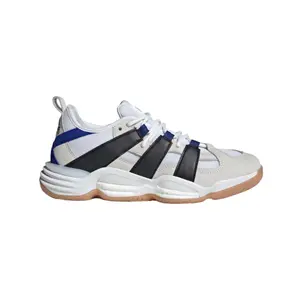
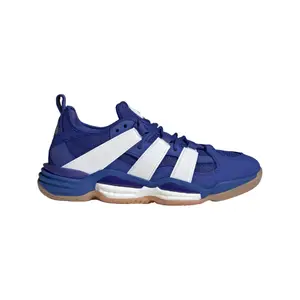
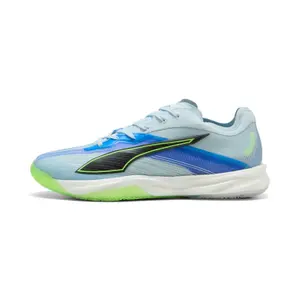
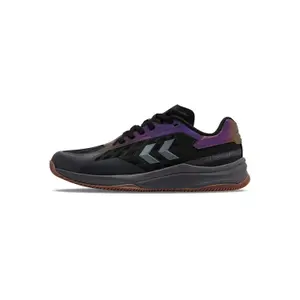
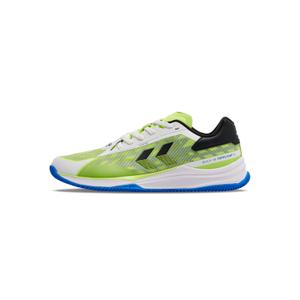


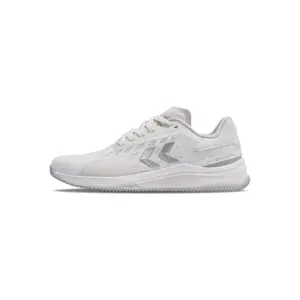
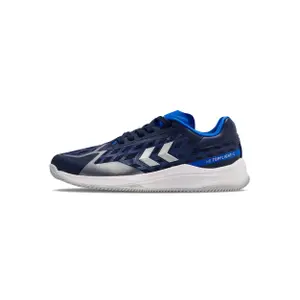
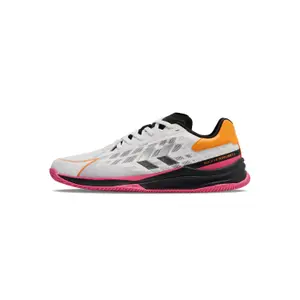
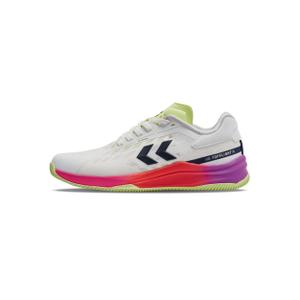
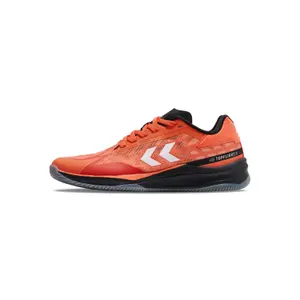
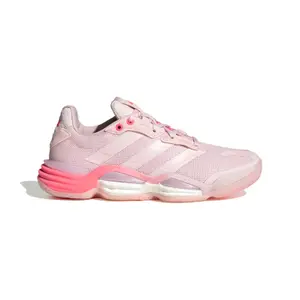
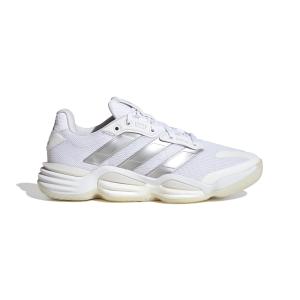
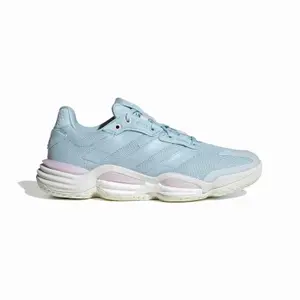
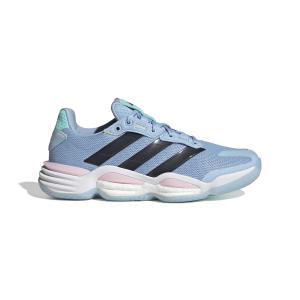


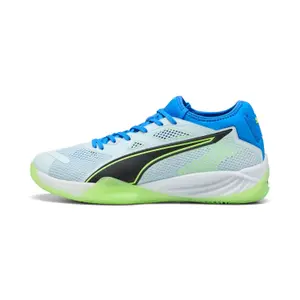
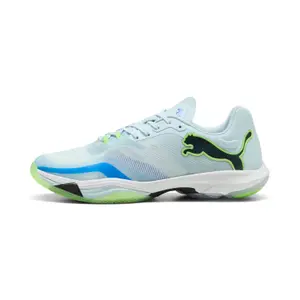


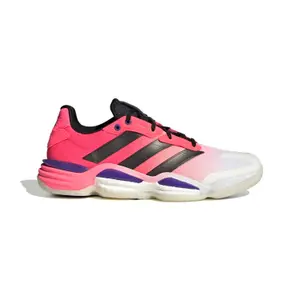
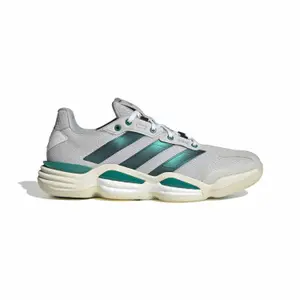
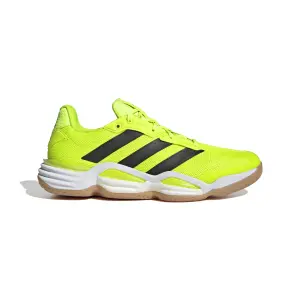
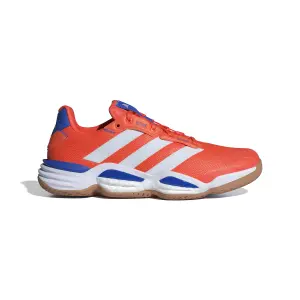
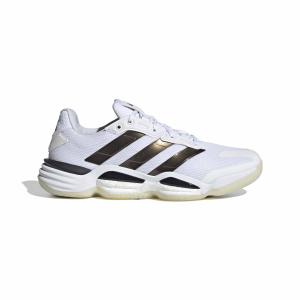
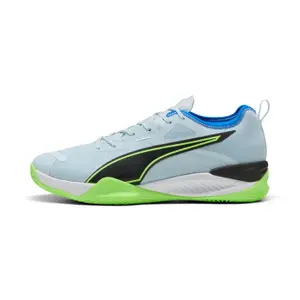
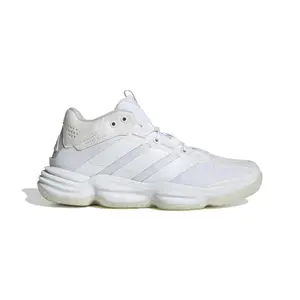
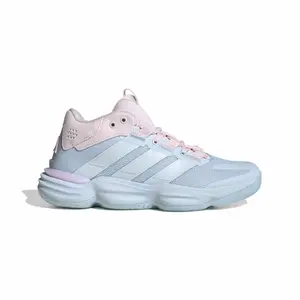
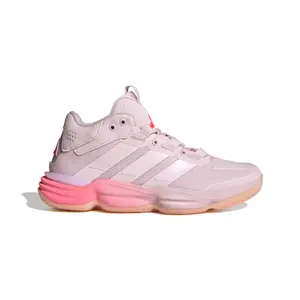


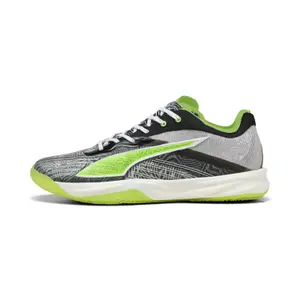
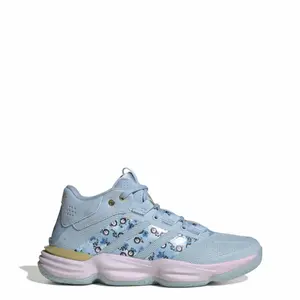
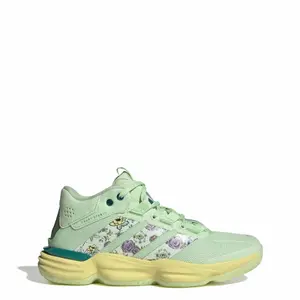
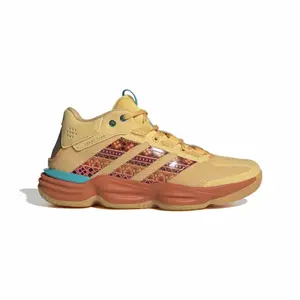
Indoor hand shoes for back, winger, pivot or goalkeeper, from adidas to Puma including Hummel and Mizuno: all the handball and indoor shoes on the site are gathered on this page, for men, women, and children.
To make the right choice, start with your position and level, then consider the shape of your foot: cushioning, stability, and support are not the same for a pivot and for a winger.
Back, winger, centre-half, pivot, goalkeeper: the shoe for each position
- Back: running, foot placements and jump shots follow one another, and every reception takes the body's weight. Look for generous cushioning and a stable base for changes of direction.
- Winger: it's all about speed and counter-attacks. A lightweight and dynamic shoe that grips the ground in tight corners makes all the difference.
- Centre-half: this position requires versatility. A powerful centre-half will resemble a back profile, while a quick centre-half will have a winger profile, with good grip in both cases to direct the game.
- Pivot: with their back to the goal and amidst contact, they need stability, good ankle support and a sole that aids rotations on the front of the foot.
- Goalkeeper: a sufficiently thin sole to feel the ground, plenty of grip for quick movements and a shoe front that withstands friction.
Beginner, intermediate, competitor: moving up a level at the right time
For beginners, a lightweight indoor shoe with good support and a non-marking sole is more than enough: those discovering handball will first work on passing, foot placements and shooting. An intermediate player, who plays frequently and in multiple positions, should opt for a versatile shoe that balances lightness, cushioning and stability. A competitor settled in their position can finally look for a pair tailored to their profile, more cushioned for a powerful back, lighter for a winger. Moving up too early doesn't help: a high-level very rigid shoe can even hinder a foot that hasn't yet established its placements.
Cushioning, stability, grip: reading an indoor shoe's specs
Three words appear on all the specs. Cushioning comes from the foam in the midsole, sometimes supplemented by a plate or insert: it protects the heel and forefoot during landings. Stability comes from a chassis or lateral support that keeps the foot from rolling when you change direction. Grip depends on the rubber and patterns of the outsole; on a wooden floor or a synthtic surface, a non-marking rubber is the norm. A handball shoe is assessed by the balance of these three elements, never by just one of them.
High-top or low-top: protecting the ankle without weighing down
The high-top shoe, often called a Mid, wraps around the ankle and reassures those who have experienced a sprain. The low-top, lighter in weight, allows for freedom of movement at the ankle and appeals to speedy players. However, real support mainly depends on the lacing, heel counter and sole stability. If your ankles are fragile, wearing ankle support with a stable low-top shoe is another option to discuss with a healthcare professional.
adidas, Mizuno, Asics, Hummel, Nike, Puma: what each brand offers
- adidas: the Stabil combines a cushioning sole (Boost on the Stabil 16) with a chassis that stabilises the foot placements, for powerful play. The brand also offers the Adizero Counterblast, which is lighter, and the Spezial, designed for handball courts.
- Mizuno: the Wave Stealth, a handball shoe from the Japanese brand, combines Enerzy foam and the Wave structure for firm lateral placements.
- Asics: the Powerbreak FF, a model for handball, relies on FlyteFoam and a stability support on the side of the sole, useful during changes of direction.
- Hummel: the Danish brand offers handball shoes like the Topflight Pro and the Powerstrike Pro, and the Liga GK for goalkeepers.
- Nike: on this site, the brand appears with lightweight indoors, like the HyperSet, appreciated for jump landings.
- Puma: the Eliminate Nitro range focuses on nitrogen-infused foam for energy return, alongside the Accelerate, another handball shoe from the brand.
Men, women, junior and brand pages
- The men's shoes include sizes and shapes for men.
- The women's shoes feature models tailored for female players.
- The junior shoes cover children's sizes, including models with Velcro for the youngest.
- All the range from the three stripes brand can be found on the page shoes adidas.
- The page Mizuno gathers the indoor shoes from the Japanese brand.
- The page Asics features the Powerbreak and other indoor models from the brand.
- The handball shoes from the Danish brand are on the page Hummel.
- The German handball brand has its page Kempa, featuring the Wing and the Kourtfly.
- The Nike indoors can be found on the page Nike.
- Eliminate and Accelerate are on the page Puma.
- The Swedish brand for indoor sports has its page Salming.
- The pages Rigorer and Peak feature models from these two brands.
- K-Swiss, Joma, Under Armour or Reebok are listed in the other brands.
Size: the foot swells during exertion
After an hour of play, the foot slightly swells and elongates with each landing. Try your shoes at the end of the day, with the socks you'll wear in a match, and keep about a centimetre between your big toe and the end of the shoe. The heel shouldn't lift when you walk, and the forefoot shouldn't spill over the sides. Sizes vary between brands: adidas, for example, sizes in thirds, and a similar size doesn't fit the same across all manufacturers.
Indoor shoes on sale, clearance or special offers
A good pair of handball shoes represents a real budget. To pay less, the page special shoe offers gathers current discounts, while the clearance shoes features end-of-line items, often in colours from previous collections. At the end of autumn, the page Black Friday shoes takes over, followed by the shoe sales.
Frequently asked questions
Can you play handball with volleyball shoes?
Yes, many players do: both sports are played indoors, on the same surfaces, with non-marking rubber. These shoes are designed for vertical jumps, while handball requires more lateral movements and contact. For a back or a pivot, a proper handball shoe remains more stable.
When should I replace my handball shoes?
When the sole becomes smooth and slippery, when the cushioning collapses at the heel or when the upper deforms and no longer holds the foot. A player who trains several times a week often changes them every season. Unusual pains in the knees or heels are also a signal.
Can I wear my indoor shoes outside?
It's better to avoid it: asphalt quickly wears out the soft rubber, and gravel and dust brought onto the court reduce grip. Save them for indoors and put them on when you arrive. Your pair will last longer and grip better.
Why do my shoes slip on the court?
Dust and resin sticking to the sole are often to blame. Wipe the sole with a damp cloth before the match and during half-time. If the shoe still slips when clean, the rubber is probably worn out.
Does a goalkeeper need special shoes?
It's not mandatory; a good versatile handball shoe will be fine. Nevertheless, some models even incorporate the position in their name, like the Liga GK from Hummel. The most important factors are grip and a sole that allows a good feel for the ground.